


Resources for States
State governments can improve their infrastructure permitting process by partnering with the Permitting Council through the FAST-41 program. These partnerships bring efficiency, predictability, and accountability to environmental reviews and authorizations, ensuring qualifying infrastructure projects move forward in a timely and collaborative process.
Read more about our FAST-41 Program
Partnership Opportunities
1. State Opt-In Provision
States with FAST-41 Covered Projects within their borders are eligible to “opt-in” to the FAST-41 process for those projects. When a State opts-in on a Covered Project, it expands the dashboard to track state permits along with the federal permits, offering a more holistic view of the environmental review process. State agencies are eligible to receive the same benefits of collaboration and transparency alongside federal agencies, and will also participate in the coordinated project plan development which sets the timeline for project permits.
Requirements include:
Developing and posting transparent timelines.
Meeting FAST-41 modification and reporting standards for improved accountability.
42 U.S.C.§4370m–2(c)(3)(A)
2. State Partnerships
States may also choose to work more broadly with the Permitting Council to promote collaboration and efficiency in the state and federal environmental permitting process by entering into a broad Memorandum of Understanding (MOU) that establishes clear roles and responsibilities for coordination between the two parties.
Through such a partnership the Permitting Council can assist in various ways, including:
Helping States determine the FAST-41 eligibility of projects within their borders.
Coordinating with states to develop templates, tools, and technology to aid in the implementation of FAST-41 and to improve State permitting processes.
Convening meetings with appropriate state and federal agencies to ensure streamlined and coordinated review and avoid duplication efforts, providing opportunities to share State expertise.
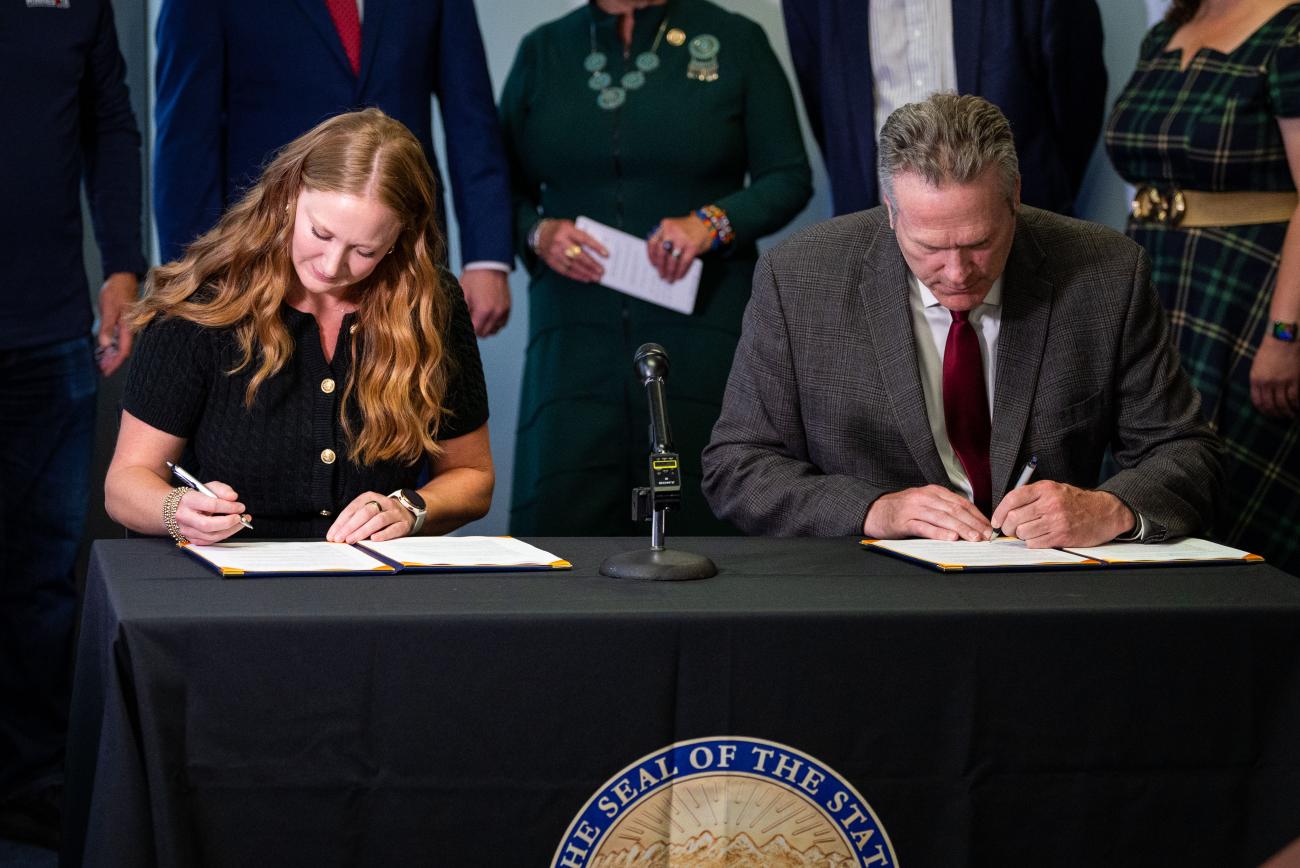
The Permitting Council signed its first state-wide MOU in August 2025 with the State of Alaska.
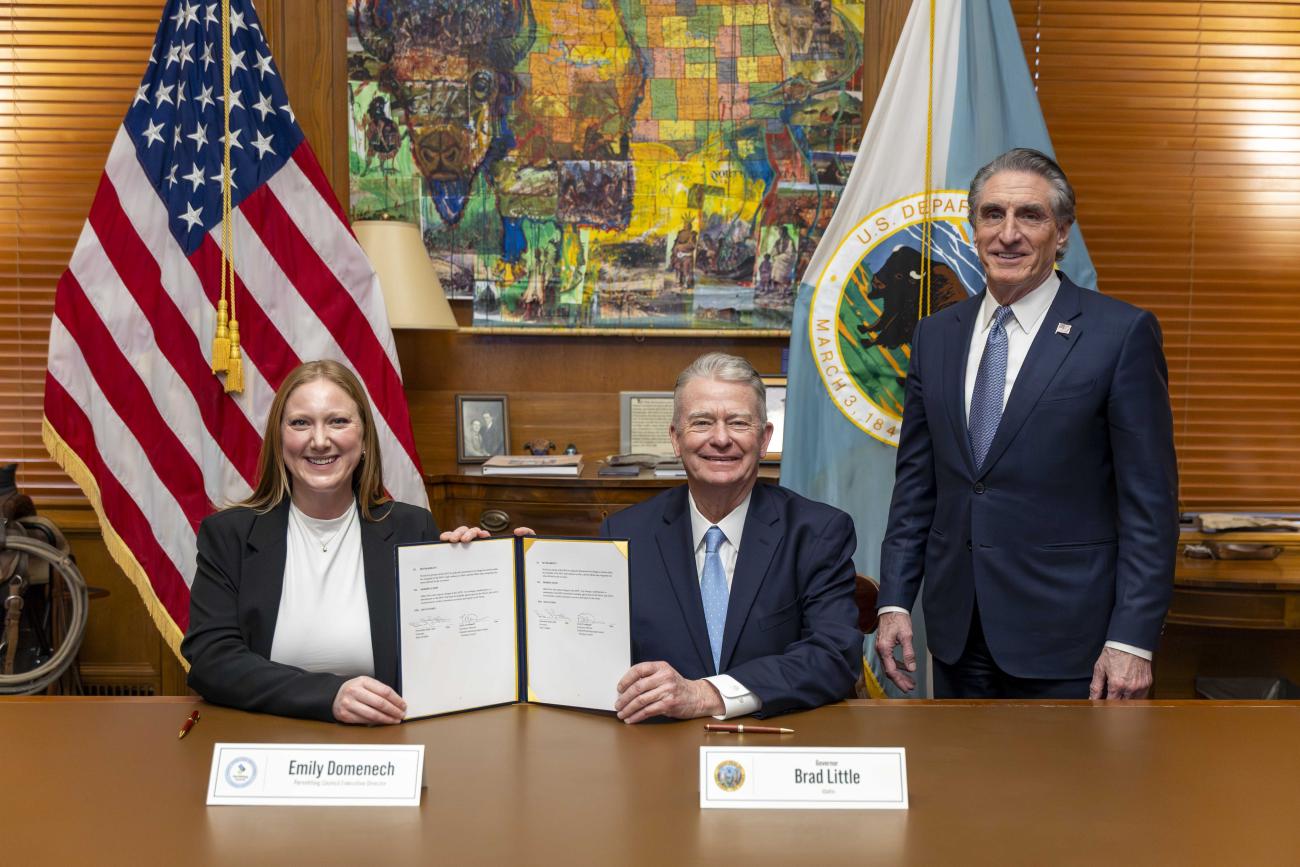
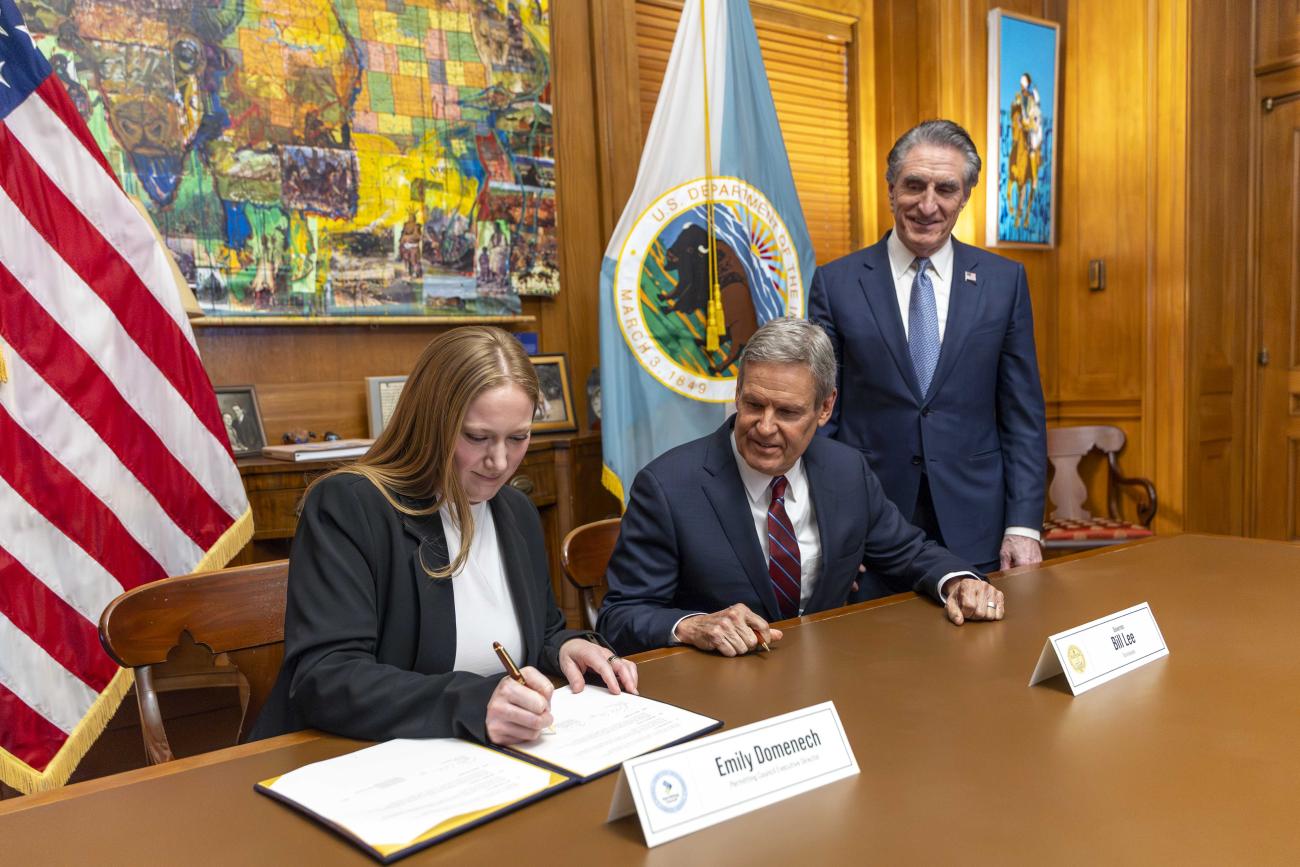
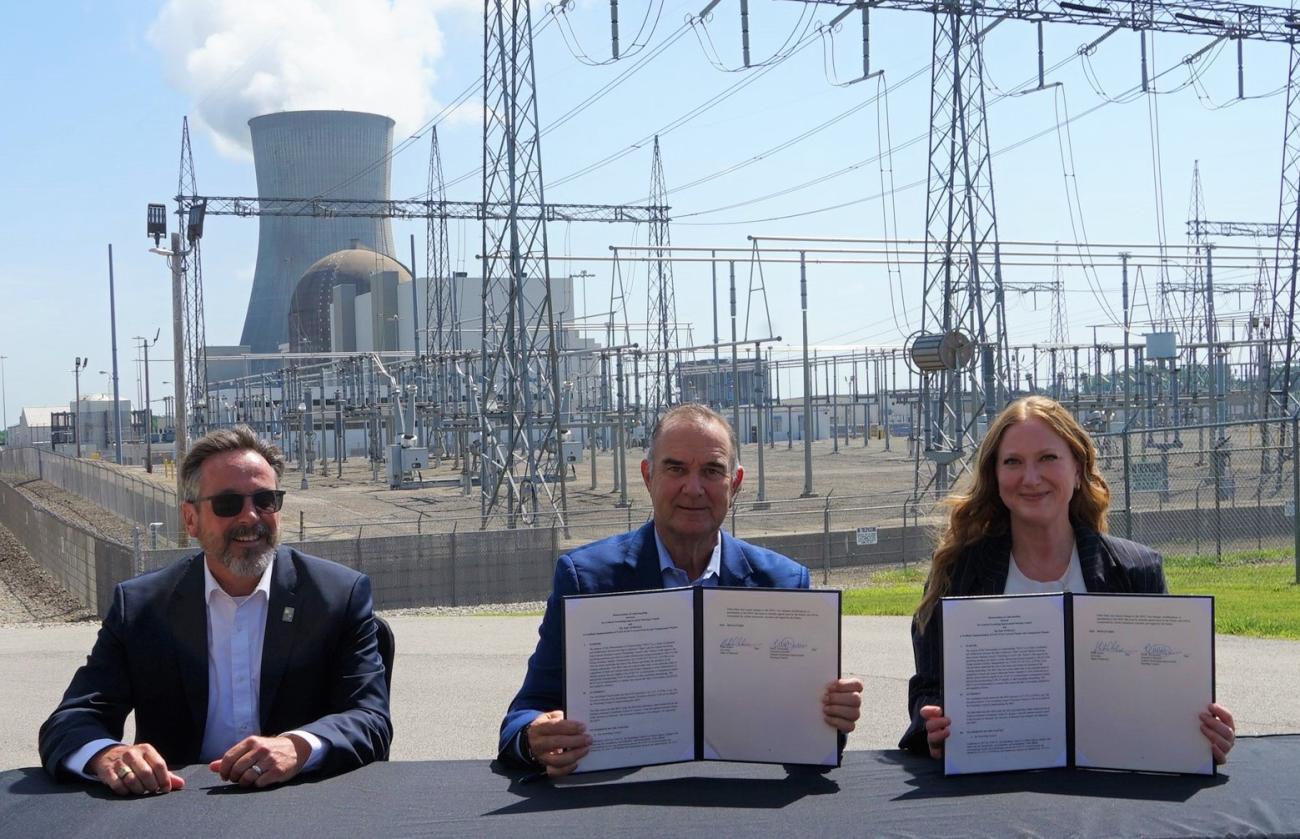
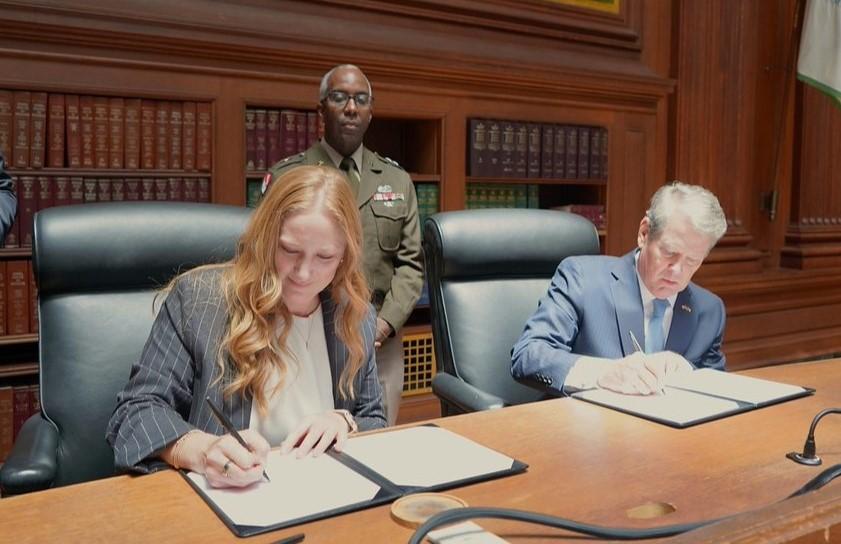
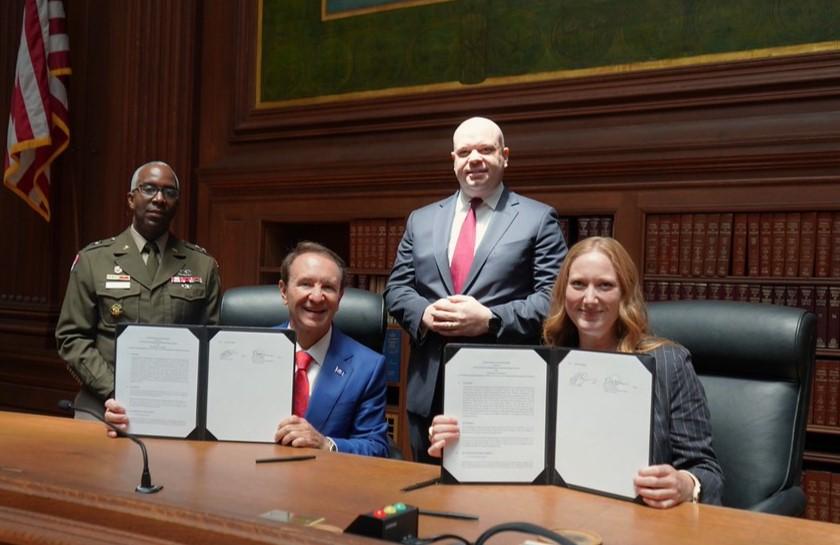
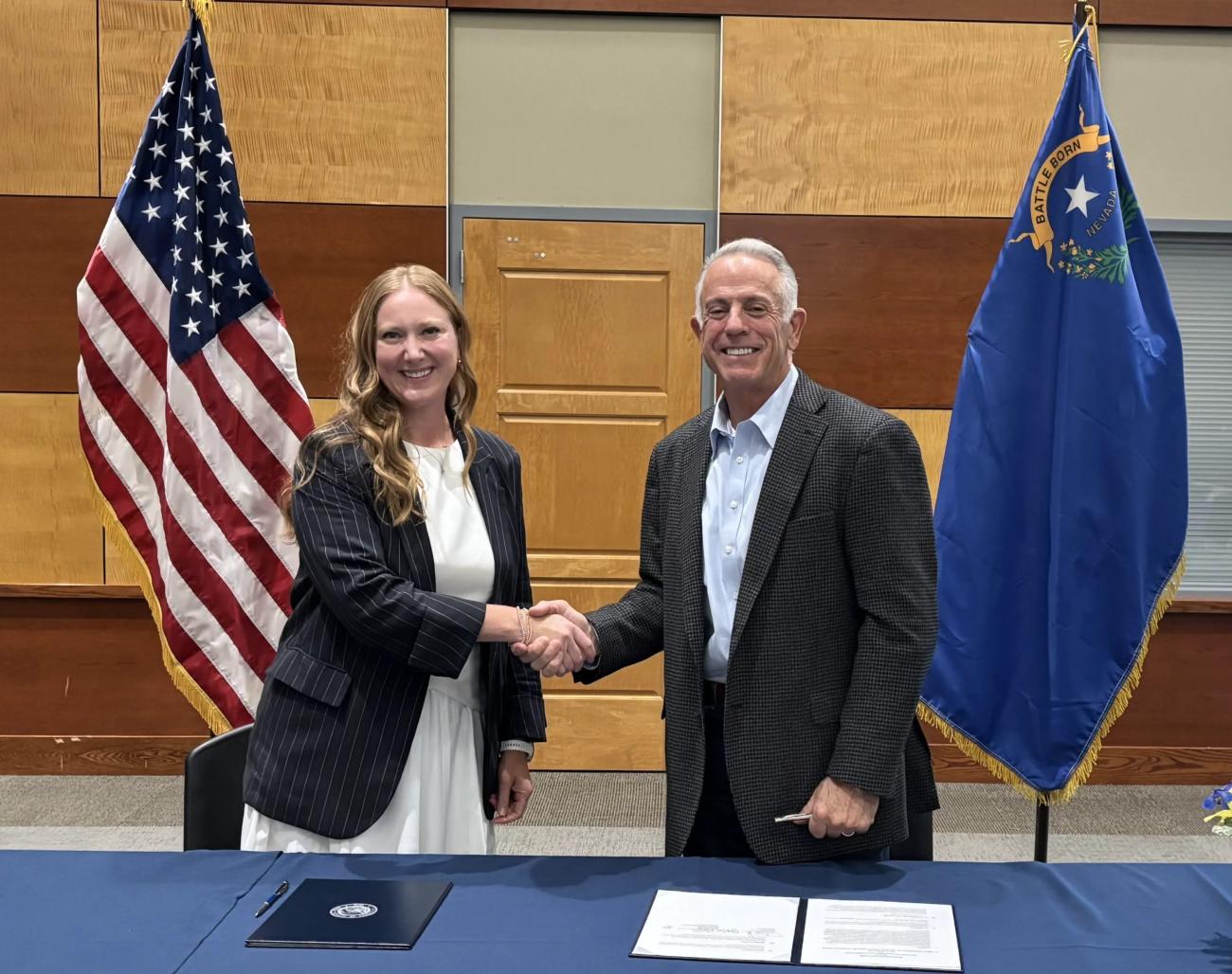
In February 2026, The Permitting Council signed MOUs with the State of Idaho and the State of Tennessee. These agreements build on that MOU with Alaska, with the first commitments to align state and federal permitting timetables and post state permitting actions on the Federal Permitting Dashboard.
42 U.S.C.§4370m–2(c)(3)(C)
3. Interstate Compacts
The Permitting Council is also authorized to coordinate interstate compacts between three or more contiguous States, creating regional infrastructure development agencies in order to advance infrastructure development, production, and energy generation within the compacting states. These agencies can facilitate, coordinate, and streamline the permitting, review, and authorization processes for Covered Projects, and hold responsibilities and authorities similar to state agencies. To date, the Permitting Council has not utilized this authority.
42 U.S.C. § 4370m–3
Active State Agreements
The following are agreements the Permitting Council has entered into with individual states under the current administration, in effort to move critical infrastructure projects forward and deliver on President Trump’s energy dominance agenda.
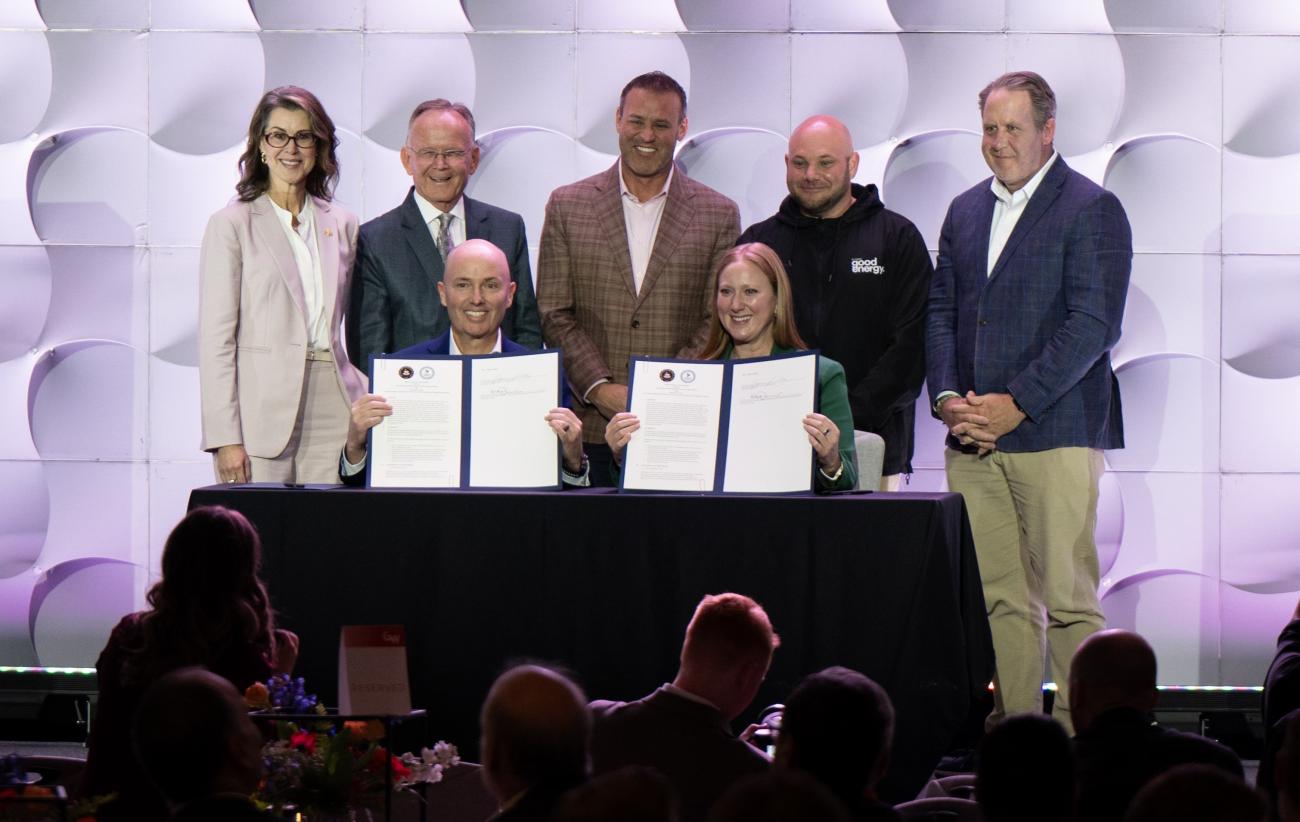
In August 2025, the Permitting Council signed its first state-wide MOU with the State of Alaska, which laid the foundation for each state agreement signed since. These partnerships set a standard of permitting efficiency and transparency for states across the nation, and outline the state's commitment to opt-in to the FAST-41 process, synchronize state and federal permitting, and post state permitting actions on the Federal Permitting Dashboard. In turn, the Permitting Council commits to provide a variety of dedicated federal permitting support, including focused technical assistance, accountability and predictability in the permitting process for projects identified in each state.
The Permitting Council has signed MOUs with the following states:
|
Image
|
Image
|
Image
|
|
Image
|
Image
|
Image
|
|
Image
|
Image
|
Image
|
Last Updated: Wednesday, July 29, 2026